













Posido Login For Canada Players

A 2026 walkthrough for Canadians to sign in safely, fix access issues, set limits, and manage deposits and withdrawals calmly.

Fortune Gems 2 Slot

Table of Contents

  • The Dog House Megaways Slot
  • Lucky Joker 10 Extra Gifts Slot
  • Sword of Ares Slot
  • Floating Dragon Hold & Spin Slot
  • Leprechaun Riches Slot
  • Fruit Cocktail Slot
  • The Dog House Megaways Slot
  • Sword of Ares Slot
  • Fruit Million Slot
  • The Dog House Megaways Slot
  • Big Fisherman Slot
  • Big Fisherman Slot
  • Seven Books Unlimited Slot
  • Posido Casino Fortune Slot
  • Sword of Ares Slot
  • Floating Dragon Hold & Spin Slot
  • 9 Mad Hats Slot
  • Floating Dragon Hold & Spin Slot
  • Big Bass Splash Slot
Login 1

Why Login Is The Start Of Responsible Play

Logging in sounds simple until it isn’t. Imagine this scenario: you open Posido Casino on your phone, you type your password, and the app rejects it, then you try again, then you get locked out. In that moment, most players do the worst thing possible - they rush, click every button, request multiple reset codes, and create a bigger mess.

Treat login as the first checkpoint of your routine. If you can sign in cleanly and securely, you are more likely to keep the rest of the session clean too. If you cannot, it is a signal to slow down, stabilize your device, and fix access before you deposit or play.

Posido Casino is presented as available in Canada where permitted and intended for legal-age players. That means your account should reflect your real details and your activity should stay within the rules that apply to your location. Login is where you confirm you are in the right account, on the right device, and in the right mindset.

A smart player builds a simple entry ritual. You sign in, you check balance, you check limits, you decide session time, then you move to the lobby. Most players jump straight to games and only later realize they forgot to set boundaries. In 2026, the cleanest sessions start with structure, not with excitement.

A Two-Minute Pre-Session Check

Imagine you only have a short window and you do not want surprises. After you log in, open settings and confirm two things: your limit tools are active and your notifications are not pushing you. Then open transaction history and confirm nothing looks unusual or pending.

If you are switching between Wi-Fi and mobile data, keep an eye on the connection. Login errors often happen during unstable internet, and repeated attempts can trigger temporary locks. One calm attempt on stable internet beats five fast attempts on a shaky signal.

Login 2

Posido Casino Login: The Clean Sign-In Flow

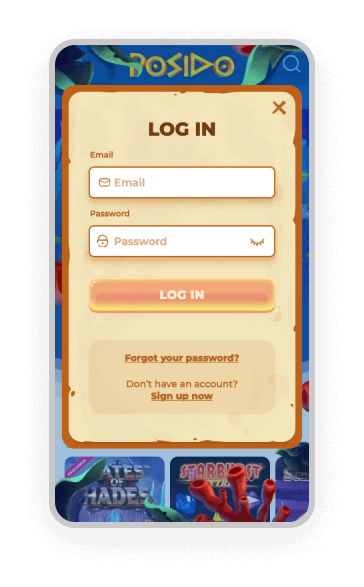
A clean login flow is not about speed, it is about consistency. Imagine a situation: you use a different email than you thought, or you type a password that is correct but includes an extra space at the end. The app says “invalid,” and you assume the platform is broken. Usually, it is a small mismatch.

Start by confirming which email you registered with. Then use a password manager if you have one, because it reduces typos. If you log in from a new device, expect a security prompt. That is not automatically a problem; it is often a normal check to protect your account.

Avoid logging in on shared devices. If you must use a friend’s laptop for a quick check, do not save passwords and always log out. The safest habit is to keep your login on one or two personal devices that you control.

Also, do not keep multiple sessions open. Players sometimes stay logged in on desktop and phone, then they change a setting on one device and forget. When something looks different later, they blame the platform instead of the split sessions. Keep your account story simple.

Finally, build an exit ritual too. After you finish, log out and close the app. This reduces the chance of accidental access and helps you avoid the “just checking” loop.

Common Login Mistakes That Look Like Bugs

Most “bugs” are human: wrong email, wrong keyboard language, caps lock, or auto-fill inserting an old password. Imagine a situation: you switched keyboards to type a message, then you come back and your password entry is now using different characters. It looks like a platform issue, but it is just input.

Another common issue is repeated reset attempts. If you request multiple codes quickly, you may receive several and enter the wrong one. Use one code at a time. If it expires, request one new code and wait.

Also check time and date settings on your device. If your phone’s clock is out of sync, some security prompts can behave strangely. Fixing device settings can solve issues that feel “random.”

When A Security Prompt Appears

A security prompt is not an accusation. It is usually a response to a new device, a new network, or unusual activity. Imagine a situation: you log in from a different city while traveling, and the app asks you to confirm. That can be normal.

Respond calmly. Complete the prompt once, avoid repeated retries, and then keep your session simple. If you cannot complete the prompt, stop and contact support with a clear description of what you see. Do not deposit or play while access is unstable.

Login 3

Posido Login On Mobile Vs Desktop In 2026

Mobile is convenient, but it invites fast mistakes. Desktop is easier for careful typing and troubleshooting. Imagine a situation: you are on a bus, your signal drops, and the login screen refreshes. You try again, and suddenly you get a lockout message. That experience feels frustrating, but it is often caused by unstable connectivity and repeated attempts.

If you prefer mobile, use stable internet for sign-in and avoid switching between networks mid-login. Consider turning off auto-fill if it keeps inserting old credentials. Once you are logged in, keep sessions shorter and administrative tasks simple.

Desktop can be better for account management: updating details, reviewing history, and finding limit tools. If you use both, create a routine: do setup and changes on desktop, and use mobile for short, planned sessions.

Also test logout on each device. Many players think they logged out, but they only closed the app. If you share devices at home, logging out matters. It protects your account and reduces accidental play.

A Ten-Minute Device Test For Smooth Access

After you log in, do a quick test run. Open settings, locate history, find support, then log out and log back in. Imagine a situation: you discover your password manager is not saving the right credential, or your auto-fill is outdated. Finding that now prevents trouble later when you are trying to withdraw.

If you notice frequent prompts on mobile, consider keeping mobile sessions lighter and using desktop for anything involving payments. Less complexity means fewer interruptions.

Password Resets And Account Recovery Without Stress

Recovery is where players often spiral. Imagine a situation: you forget your password, you are tired, you hit reset, you do not see the email instantly, and you request five more. Then the inbox floods, and you do not know which code to use. The solution is patience and a clean sequence.

Request one reset. Check spam and promotions folders. Wait a few minutes. If nothing arrives, request one more reset and stop there. If you still do not receive it, the issue might be your email access, a typo in the registered email, or an account message you missed.

When you receive a code, enter it once. If it fails, do not guess. Check whether you used the latest code and whether your device is using the right keyboard. If you keep failing, stop and contact support with the exact error message. Repeated retries can trigger temporary locks and turn a simple reset into a longer wait.

Once you regain access, update your password to something unique and store it safely. If you share your phone with family, add device locks and avoid saving passwords where others can access them.

Also review your account security settings. If you can enable extra verification, do it. It reduces the risk of unauthorized access and can make future sign-ins more predictable.

What To Do If You Think Your Account Was Accessed

If something looks off, do not try to “fix it by playing.” Stop and secure access. Imagine a situation: you log in and you see a balance you do not recognize. First change your password, review recent activity if available, and contact support with facts.

Avoid panic moves like switching payment methods immediately. Keep your actions minimal and focused. The goal is to restore control and create a clear record for support to review.

Deposits And Cashouts Start With Login Hygiene

Payments feel separate from login, but they are connected. If your access is unstable, your money flow becomes unstable too. Imagine a situation: you are logged in on two devices, you request a payout, and then you change a setting on the other device. Now your history looks confusing, and you are not sure what is pending.

The best approach is to keep your account stable during any payment action. Use one device for deposits and withdrawals. Avoid changing profile details and payment methods on the same day you request a withdrawal. Keep your identity details consistent. These habits reduce unnecessary friction.

Start by choosing a payment method that fits your routine. If you want strict budgeting, use a method that helps you feel spending as a decision. If convenience matters, choose a straightforward method and stick with it for a while. Consistency is usually more valuable than “optimizing” for speed.

Then set boundaries. A deposit cap protects your budget. A session reminder protects your time. When you combine stable login habits with limit tools, you reduce the chance of impulsive top-ups during emotional moments.

Finally, use transaction history as your truth source. Check status labels, timestamps, and account messages. Memory is unreliable after a long session. History is clearer.

Below is a practical table of common access and payment situations and what usually helps. It keeps language simple and avoids hype.

Situation

What To Check First

Common Slip

Better Habit

Can’t Sign In

Email and keyboard settings

Rapid retries

One calm attempt on stable internet

Reset Needed

Inbox folders and latest code

Multiple code requests

One code at a time

New Device Prompt

Network and confirmation steps

Switching devices mid-flow

Finish on one device

Deposit Planned

Limits and method availability

Depositing on impulse

Decide budget before cashier

Withdrawal Planned

Profile consistency and status

Changing details same day

Keep account stable until complete

A Calm Withdrawal Routine

Withdrawals go smoother when you treat them like a process, not like a button. Imagine: you finish a session and want to cash out fast. If your profile is incomplete, the request can pause. So the best time to handle account checks is before you feel urgency.

Submit the request once, confirm the status in your history, and then step away. If you keep reopening the app every few minutes, you build stress and you may end up clicking unnecessary things. If the status is pending, check messages for any requested action and respond calmly.

When you contact support, include the method type, the approximate time of the request, and the status label you see. This turns the conversation into a quick investigation rather than a long guessing game.

Limit Tools, Timeouts, And The “Stop” Button In Your Head

The easiest sessions to control are the ones where you planned to stop before you started. Imagine: you log in, you see a banner, you feel momentum, and your plan disappears. That is why limit tools matter: they keep your decisions stable when your mood is not.

Set a deposit cap and a session reminder early. If you feel your mood shifting - irritation, urgency, chasing - use a timeout. The earlier you interrupt a spiral, the easier it is to return later with a clear head.

Also build a small exit ritual. After you finish, check history, log out, close the app, and do something physical for two minutes. This breaks the reflex of reopening “just to check.”

If you keep breaking your own rules, make your rules smaller. Shorter sessions. Lower limits. More frequent breaks. Responsible play is not about heroic discipline; it is about creating conditions where stopping is easier than continuing.

How To Use Timeouts Before You Tilt

Most people wait too long. Imagine: you are already frustrated and you think “I’ll quit after I win back a bit.” That thought is the signal to take a break now. A short timeout can reset your decision-making faster than pushing through.

Treat timeouts like a circuit breaker. You use it early, not only in emergencies. When you do that, your sessions stay cleaner and your long-term habits become steadier.

Support: The Right Way To Ask For Login Help

Support works best when you give it a clear story. Imagine: you write “I can’t log in” and nothing else. The agent will need multiple messages to understand what is happening. You can shorten the process with one structured paragraph.

Include: what device you are using, what step you tried, what error message you saw, and whether you requested a reset code. If your issue relates to payments, include the status label from your history. Facts are faster than frustration.

Also avoid spamming multiple channels. Send one clear message, then wait for the reply. If you send five messages with different details, you create confusion and slow the resolution.

Finally, keep your own actions minimal while support investigates. Do not keep switching devices, changing passwords repeatedly, or requesting new codes every minute. Stabilize, communicate, and wait for a clear next step.

FAQ

It is often caused by small input issues like keyboard language changes, caps lock, trailing spaces, or auto-fill inserting an old password. Try one calm attempt on stable internet, check the email you registered with, and avoid repeated retries that can trigger a temporary lockout.

Request one reset code, wait a few minutes, and use the latest code you receive rather than requesting many codes at once. If the email does not arrive, check spam and promotions folders, then request one more and stop there before contacting support with the exact message you see.

Complete the prompt once and finish the login on that single device without switching networks mid-step. If you cannot complete it, do not deposit or play while access is unstable - contact support with the error text and your device details.

Use a strong unique password, lock your phone, protect your email account, and log out instead of just closing the app. Turning off unnecessary notifications also helps because it reduces impulsive “just checking” logins.

Changes to personal information or payment methods can trigger extra checks and make the history harder to interpret. If you plan to withdraw, keep the account stable, submit the request, and wait for a clear status update before making edits.

Set a deposit cap and a session reminder before you open the lobby, then stop when either one hits. If you catch yourself bargaining with “one more,” use a timeout and end the session with a clean log out and a short physical break.

If you tried a calm login on stable internet, confirmed your email and keyboard settings, and a single reset attempt still fails, contact support with your device type, the error message, and what steps you already tried. One clear message usually resolves faster than repeated retries.

🇬🇧 English