



























































Posido In Canada: Session Setup

A Canada-ready casino experience for adults in 2026, built around clear limits, simple payments, and quick support when needed.

Fortune Gems 2 Slot

Table of Contents

  • The Dog House Megaways Slot
  • Lucky Joker 10 Extra Gifts Slot
  • Sword of Ares Slot
  • Floating Dragon Hold & Spin Slot
  • Leprechaun Riches Slot
  • Fruit Cocktail Slot
  • The Dog House Megaways Slot
  • Sword of Ares Slot
  • Fruit Million Slot
  • The Dog House Megaways Slot
  • Big Fisherman Slot
  • Big Fisherman Slot
  • Seven Books Unlimited Slot
  • Posido Casino Fortune Slot
  • Sword of Ares Slot
  • Floating Dragon Hold & Spin Slot
  • 9 Mad Hats Slot
  • Floating Dragon Hold & Spin Slot
  • Big Bass Splash Slot

Slot Games


  • Coin Volcano Hold and Win 3x3 Slot
  • Green Chilli 2 Slot
  • Winter Star Bonus Buy Slot
  • Eggs of Gold Slot
  • Book of Wizard Double Chance Slot
  • Bonanza Billion Slot
  • Miss Cherry Fruits Jackpot Party Slot
  • Neon Capital Slot
  • Money Minter Slot
  • Hockey Shootout Slot
  • Mega Greatest Catch Bonus Buy Slot
  • Black Wolf 2 Hold and Win Slot

Crash Games


  • Ninja Crash Slot
  • Balloon Slot
  • Cricket X Slot
  • Crash Duel X Slot
  • Space XY Slot
  • Crash Slot
  • JetX Slot
  • Spaceman Slot
  • JetX 3 Slot
  • Crash Slot
  • Balloon Slot
  • Ho Ho Hodl Slot

Live Dealers


  • Baccarat Dance by Vivo

    Baccarat Dance

  • Boom City by Pragmatic Play

    Boom City

  • Emerald Blackjack by Pragmatic Play

    Emerald Blackjack

  • Roulette Las Vegas by Vivo

    Roulette Las Vegas by Vivo

  • Lucky 6 Roulette by Pragmatic Play

    Lucky 6 Roulette

  • Live Roulette by Betgames

    Live Roulette

  • Limitless Blackjack by Vivo

    Limitless Blackjack

  • Sweet Bonanza Candy Land by Pragmatic Play

    Sweet Bonanza Candy Land

  • Gravity Sic Bo by Iconic 21

    Gravity Sic Bo

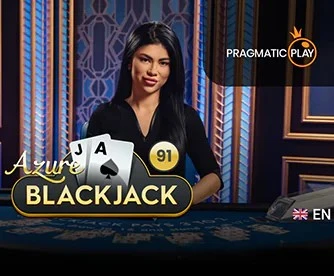
  • Azure Blackjack by Pragmatic Play

    Azure Blackjack

  • Roulette Live by LiveGames

    Live Roulette

  • Baccarat Caribbean by Vivo

    Baccarat Caribbean by Vivo

  • Playson
  • Playtech
  • Pragmatic Play
  • Novomatic
  • PG Soft
  • Amatic
  • Evolution
  • Belatra
  • NetEnt
  • Play'n'GO
Home 1

Posido Kasino: What To Check Before Depositing

Before money moves, do a quick “adult checklist.” Find your limit controls, locate transaction history, and confirm you know how to log out and come back later without losing track. Imagine you are about to play during a short break - if you can’t see where limits and history are, that break can quietly turn into a long session.

Start with account details. Small mismatches and rushed entries are the most common reason people get stuck later, especially when they want to withdraw. Picture the usual late-night sign-up: you tap through forms fast, you tell yourself you’ll fix it later, and later arrives at the exact moment you want a clean payout.

Now set boundaries while you are calm. A spending cap protects your wallet, and a session reminder protects your time. Most players do this only after something goes wrong. Doing it first changes the whole tone of play.

Account Details That Match Payments

Keep your personal details consistent and readable: same name format, same address style, no creative shortcuts. Imagine you deposit smoothly, then later a payout request asks for a detail you typed differently - the fix is annoying, and the annoyance can push you into impulsive decisions.

Use one primary device for money actions when possible. People often deposit on desktop, then try to sort out settings on mobile and get confused by different layouts. If you choose one “home base,” confirmations and history feel easier to track.

When you see optional security steps, treat them as normal hygiene, not an obstacle. A strong password and an extra verification layer (if offered) keep your account predictable. Predictable is the goal - not speed, not hype.

Limits, Reality Checks, And Session Timers

Pick two limits that actually fit your life: one for money, one for time. Imagine you are tired after work and you only want a small distraction - a timer stops the session even when your mood wants “one more.”

A practical rule that holds is one deposit per session. It removes the temptation to top up because you feel close to a win or irritated by a cold streak. If you want another session, you return another day and decide again with a fresh head.

Use reality checks as interruptions, not as decorations. When a reminder pops up, pause for ten seconds and ask: “Am I still playing for fun, or am I trying to fix a feeling?” That tiny pause is often enough to prevent chasing.


Posido.: How Labels Show Up In Your Account

Short labels in your account can look trivial, especially when they include punctuation, but they are often the breadcrumbs that help you reconstruct what happened. Imagine you contact support and you can’t remember the exact time you deposited or withdrew - suddenly that small label is the only clean reference you have.

Home 2

Get comfortable reading your activity like a receipt. Check method, timestamp, and status. Then move on. This habit takes under a minute and saves real stress later.

If something looks unfamiliar, don’t keep playing while you “wait and see.” Most players do that, and it turns uncertainty into longer play. Instead, stop, open the history entry once, and confirm what the platform is actually showing.

One more thing: avoid the refresh spiral. Staring at a pending status and refreshing every minute raises anxiety, and anxiety is where impulsive decisions live. Check once, note the time, then step away.

Home 3

Payments In Canada: Deposits And Withdrawals

Money flow should feel boring in the best way. In 2026, deposits are often quick while withdrawals can include extra confirmation steps, and that difference is normal. Imagine you deposit in seconds, then later a cashout asks for another step - it can feel unfair if you expected the same friction level both ways.

Plan the exit before you start. Look at withdrawal options in your cashier area first, even if you don’t plan to withdraw today. This takes two minutes and prevents the classic situation where you win, feel calm, decide to cash out, then get hit with unexpected steps and frustration.

For Canadian players, payment availability can vary by provider and region, so treat what you see in your own cashier as the most reliable guide. Pick one primary method and stick with it long enough to learn its rhythm. Switching methods repeatedly creates confusion and extra checks.

A simple adult tactic is a small test cashout once you’re comfortable. You’re not testing luck - you’re testing workflow: where to click, what confirmations appear, and how the status looks when everything is normal.

Payment Route Switch methods often Stick to one main route Fewer mismatches later Keep it consistent Change details afterward Keep profile stable Avoids extra checks Do not edit mid-process Document Upload Do it when stressed

Table games

Typical Extra Checks

Processing Feel

Control Habit

Bank Card

Familiar deposits

Bank approvals, limits

Fast in, variable out

Keep profile details consistent

Bank Transfer

Planned sessions

Cutoff times, references

Slower but steady

Save confirmation notes

E-wallet

Balanced control

Wallet verification

Often smooth, provider-dependent

Use one wallet as primary

Prepaid Voucher

Budget boundaries

Redemption steps

Instant deposit, cashout may differ

Treat it as a spending cap

Crypto Transfer

Network payments

Address checks, confirmations

Network-dependent

Double-check every character

A Deposit Routine That Stays Boring

Make deposits intentional, not reactive. Imagine you lose a few quick rounds and your first instinct is to add “just a little more” - that instinct is emotion, not strategy. One deposit per session shuts that door and protects your budget.

Add a tiny delay to your own process: decide, wait two minutes, then confirm. This sounds almost silly, but it stops impulse deposits made in a rush. Most bad decisions happen in the first ten seconds, not after a calm pause.

Keep your stake range fixed for the session. When stakes float upward, time and money disappear faster. If you want variety, change games, not budget.

Withdrawal Requests Without Panic

Treat cashouts like a checklist. Submit once, confirm the method, and check your history entry for the timestamp and status label. Imagine you finish a session feeling satisfied - the best way to keep that feeling is to avoid frantic clicking and let the process run.

If additional proof steps appear, handle them when you’re calm. People try to solve verification while still emotionally attached to the session, and that’s when mistakes happen. Calm documentation is faster than frantic documentation.

A good rule is: never start a new session “while waiting” for a payout. Waiting is not a reason to play. Waiting is a reason to do something else and return later.

When A Payout Feels Slow: Next Steps

Start with facts, not frustration. Check the timestamp, the method, and the current status label in your transaction history. Imagine you’re troubleshooting a delivery - you look at tracking before you call support.

If you contact support, send one clean message: what you did, when you did it, what you expected, and what you see now. Vague messages lead to vague replies. Clear details usually produce a clear next step.

Avoid spamming multiple requests. Repeating actions out of anxiety can create extra confusion and more steps. One clean request, then patience, is the adult path.

Game Choice In 2026: Slots, Tables, And Pace

Game choice is not just entertainment - it shapes your behavior. Fast games can push you into autopilot, slower games can keep you present, and both are fine if you decide intentionally. Imagine you log in tired and distracted - a rapid format can turn into mindless clicking before you notice.

The simplest way to stay in control is separating browsing from playing. Browsing feels harmless because it’s not “money time,” but it often becomes the longest part of the night. Pick a format first, then pick one game, then start.

Build a shortlist. Two comfort picks you understand and one curiosity pick you test with a timer is enough for most adults. Shortlists reduce scrolling, and reduced scrolling means fewer impulsive sessions.

Also learn your stop signals: faster clicking, raising stakes to fix a feeling, or forgetting what happened in the last few rounds. When you notice a stop signal, pause or end the session. That’s not weakness - that’s control.

Demo Play And Learning Before Spending

If demo mode is available, use it like a test drive. Imagine you open a new game and you don’t understand why a feature didn’t trigger - confusion turns into irritation, and irritation often turns into chasing. A short demo run prevents that spiral.

Even without demo mode, you can do a “learning session.” Keep stakes small, set a short timer, and treat the first minutes as practice. Practice sessions are allowed to be uneventful - their job is clarity, not winnings.

Read basic rules once, then stop overthinking. People sometimes turn rules into an excuse to stay engaged longer. Learn enough to play comfortably, then let the session be short.

Building A Shortlist To Avoid Scrolling

Scrolling is the hidden time sink. Imagine you open five titles in ten minutes and feel oddly unsatisfied - you never settle into a rhythm, so every round feels like searching. A shortlist fixes that by making the decision once.

Try a simple rotation: one “quick session” game, one “slow pace” game, and one “curiosity” game you only test with a timer. This keeps variety without letting novelty control your time.

Use favorites and filters to reduce temptation. If your lobby always shows everything, your brain always wants to sample. If your lobby shows only what fits your plan, sampling becomes less tempting.

Promotions And Bonuses: Keeping The Plan Intact

Promotions can be fun, but they can also hijack your routine if you let them become the reason you play. In 2026, the healthiest approach is choosing the session first and treating offers as optional extras. Imagine you accept a promo and suddenly feel obligated to play longer to “make it worth it” - that obligation is the real cost.

Use a basic filter before accepting anything: does it fit your typical stake range, does it fit your planned session length, and do you understand the conditions right now? If any answer is no, skip it and keep your routine clean.

Remember the “house money” trap. Early wins or bonuses can make you feel less careful, which often leads to higher stakes and longer sessions. Keeping the same limits you set before play is how you stay adult, even when the mood shifts.

Reading Terms Without Overthinking

Read what’s necessary, then decide. Imagine you keep rereading conditions mid-session and it pulls you deeper into the platform - the reading becomes part of the engagement loop. The better move is reading once before play, then sticking to your plan.

If terms feel complex, simplify your choice: either accept only what you fully understand, or skip it. Adults don’t need to chase every offer. Clarity beats quantity.

A good personal rule is: promotions never change my session timer. If your timer is fixed, offers can’t quietly stretch your play time.

Posido Casino Online: Mobile Play And Support

Mobile play is convenient, and convenience is why sessions can run long. The best mobile routine is short and repeatable: set a timer, pick one game, stop on time, check history, log out. Imagine you open your phone while waiting for a reply - the rounds are fast, your thumb keeps moving, and ten minutes vanish.

Treat phone warnings as stop signals. Low battery, unstable connection, or general distraction are all reasons to end the session, not reasons to push through. Technical stress becomes emotional stress, and emotional stress creates bad decisions.

Support matters most when you’re annoyed, so learn how to reach it before you need it. A calm player knows where help lives and what details to provide. That knowledge prevents “playing through confusion,” which is one of the most common ways adults lose track of time.

Getting Help Fast With Clear Facts

Good support messages read like a checklist: what you did, when you did it, what you expected, what you see now, plus method and timestamp if money moved. Imagine two players writing support - one sends “it’s broken,” the other sends four clean lines with details. The second one usually gets a faster, clearer answer.

Stop playing while you wait for a reply. It keeps your mood stable and prevents the situation from feeling bigger than it is. If you keep playing, every minute of waiting feels like pressure, and pressure pushes impulsive choices.

If you’re irritated, wait five minutes before messaging. That small delay turns a rant into a request, and requests solve problems faster.

Break Tools: Timeouts And Longer Pauses

Break tools are the adult side of gambling. Timeouts interrupt autopilot, and longer pauses protect you when patterns start to feel automatic. Imagine you notice you’re clicking faster and thinking less - that’s not excitement, that’s drift. A timeout breaks the drift immediately.

Use longer breaks when you see repetition you don’t like. If play becomes a daily reflex at the same hour, the best fix is distance, not discipline in the moment. Replace the habit with something else at the same time slot and let your brain reset.

If you ever feel the urge to “win back mood,” step away. Gambling is not therapy. Adults choose breaks when entertainment stops being entertaining.

FAQ

Pick a money cap that fits an average day, then add a session timer and treat it as non-negotiable. Imagine you’re building a routine you can repeat weekly, not proving willpower in one night. If you keep wanting to adjust limits mid-session, simplify the rules and make the cap more realistic.

Pause immediately, stand up, and take a short break before you decide anything. Imagine the urge as a wave that weakens if you don’t feed it with faster clicks or bigger bets. If the urge stays strong, end the session and return another day with a fresh plan.

Set a phone alarm before you open a game, choose one title in advance, and stop when the alarm rings. Imagine you’re taking a timed break, not opening an endless feed. After stopping, check your recent activity once, log out, and put your phone down for a minute.

Share what you did, when you did it, what you expected, and what you see now, plus the payment method and timestamp if money moved. Imagine you’re giving a technician a short checklist rather than a complaint. One clear message usually reduces back-and-forth and leads to a direct next step.

Treat the first minutes as practice: small stakes, a short timer, and a promise to stop if you feel confused. Imagine you’re test-driving rules and pace, not forcing a result. If irritation appears, switch to a familiar option or end the session instead of increasing risk.

Use it when play stops feeling fun and starts feeling automatic, tense, or compulsive. Imagine the moment you notice faster clicking and less thinking - that’s your signal. A break tool removes the option to bargain with yourself in the heat of the moment and gives you space to reset.

Create a closing ritual: stop on your timer, review your activity history, log out, and switch activities for a few minutes. Imagine closing a register instead of leaving it open. That small routine teaches your brain to accept the stop point without craving “one more.”

🇬🇧 English